Zoom whitening delivers rapid, dramatic results, yet post‑treatment care is essential. This PDF guide outlines immediate steps, diet, hygiene, and when to seek help. Follow each section carefully to maintain a bright, healthy smile and prevent sensitivity or irritation. Download the PDF for guidance. today. OK
Understanding Post-Operative Care
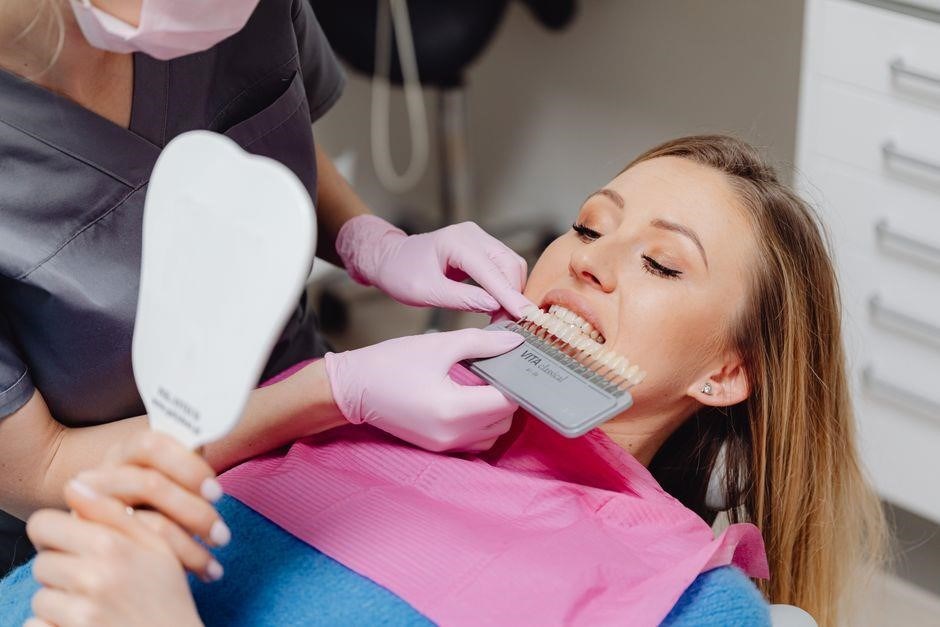
After a Zoom whitening session, the mouth enters a delicate healing phase. The bleaching agent, while effective, can temporarily alter enamel and dentin sensitivity. A thorough understanding of this phase helps patients navigate the short‑term discomfort and ensures long‑term results. The first 24 hours are critical: the enamel surface may feel slightly rough, and the oral tissues can be mildly irritated. During this window, patients should avoid extreme temperature changes and refrain from using harsh oral products that could exacerbate sensitivity. Gentle rinsing with lukewarm water and the use of a soft‑bristled brush are recommended to maintain oral cleanliness without provoking irritation. It is also important to recognize that the whitening effect is not permanent; the enamel will gradually reabsorb natural stains over time. Therefore, patients should view the post‑op period as a transition rather than a final state. Maintaining a calm, patient mindset and following the dentist’s personalized instructions will reduce the risk of complications. A clear, step‑by‑step plan, delivered in a PDF format, serves as a reference that patients can consult whenever uncertainty arises. This guide is designed to empower patients with knowledge, allowing them to take proactive steps toward a brighter, healthier smile while respecting the natural healing process that follows a Zoom whitening treatment. By following these guidelines, patients can enjoy a smoother recovery and keep the brightness achieved during Zoom whitening session!!!

Preparing the PDF Instruction Manual
Before you begin using the Zoom whitening post‑op instructions PDF, gather the necessary tools and understand the file’s structure. The manual is usually a single PDF that contains sections on immediate care, dietary recommendations, and oral hygiene. Locate the file on your computer or mobile device; it may have been emailed or downloaded from a secure patient portal. Open the PDF and review the table of contents to identify the most relevant sections. Ensure your PDF viewer is up to date so images and formatting display correctly. If you prefer a printed copy, use the “Print” option to preserve layout. Printing the manual can be handy during the first 24 hours after treatment, when you may need to consult the instructions frequently. Bookmark the “Immediate Care After Treatment” page for quick reference. Keep the PDF in a safe location, such as a dedicated folder or cloud storage, so you can access it whenever you need to review the post‑op guidelines or share them with a family member or friend who may be assisting you during recovery. By following these steps, you’ll be prepared to use the Zoom whitening post‑op instructions PDF effectively and confidently.
Use the PDF as a reference: annotate key points, highlight sections, and share with your dentist for follow‑up. If you notice any differences between the instructions and your experience, note them and bring them to your next appointment. Consistent use of the manual helps you stay on track and avoid visits.!! Keep a backup copy in a secure location to prevent loss if your device fails.
Step-by-Step Post-Op Instructions

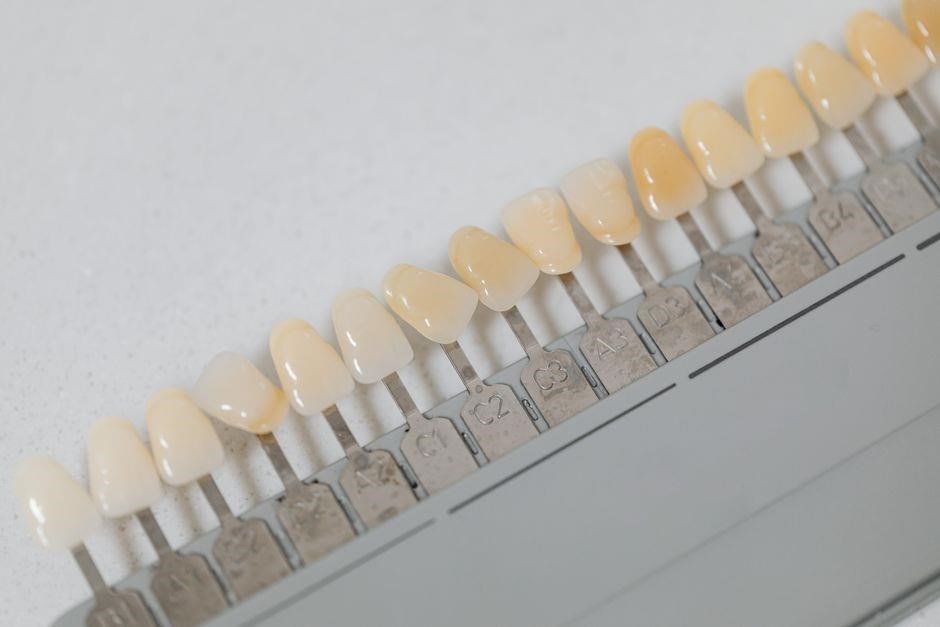
After your Zoom whitening session, follow these practical steps to ensure optimal results and comfort. Begin by gently rinsing your mouth with lukewarm water; this helps remove any residual whitening gel. Avoid brushing immediately, as enamel may be temporarily softened; wait at least 30 minutes before brushing. When you do brush, use a soft‑bristled brush and a mild fluoride toothpaste, applying light pressure to prevent irritation.
Use a mouthwash that does not contain alcohol or strong detergents, as these can exacerbate sensitivity. Swish for 30 seconds and spit out. If you experience mild discomfort, apply a small amount of over‑the‑counter desensitizing gel to the affected areas; this can be done once or twice daily.
Keep your diet balanced but steer clear of highly pigmented foods and drinks for the first 48 hours. This includes coffee, tea, red wine, and dark sauces. Stick to lighter options such as milk, yogurt, and plain cereals. Water is your best ally—drink plenty throughout the day to help flush away any lingering particles.
Throughout the recovery period, maintain a consistent oral hygiene routine. Brush twice daily, floss once, and consider a fluoride rinse. Avoid aggressive scrubbing or using whitening products that could counteract the treatment. If you notice persistent sensitivity or any unusual symptoms, schedule a follow‑up appointment with your dentist to discuss further care.
Keep these instructions in mind. If questions arise, contact your dental office for guidance to keep your smile bright and healthy.
Follow steps for results today!

Common Side Effects and Management
After Zoom whitening, mild sensitivity, temporary gum irritation, or slight discoloration may occur. Use desensitizing toothpaste, avoid hot foods, and apply a thin layer of fluoride gel if discomfort arises. Contact your dentist if pain persists beyond 48hours.
Immediate Care After Treatment
Immediately after your Zoom whitening session, rinse gently with lukewarm water to remove residual gel. Avoid vigorous rinsing or scrubbing, which may irritate enamel and gingiva. Apply a thin layer of desensitizing gel recommended by your dentist. This gel contains potassium nitrate or fluoride to reduce sensitivity and soothe tissues. Allow it to sit for five to ten minutes, then rinse again with cool water.
During the first 24 hours, refrain from hot, cold, or acidic foods and drinks, as they can increase sensitivity. Stick to soft, cool foods like yogurt, smoothies, and chilled soups. If discomfort arises, use over‑the‑counter desensitizing toothpaste twice daily. Avoid whitening products for at least 48 hours to prevent cumulative irritation.
Maintain excellent oral hygiene by brushing with a soft‑bristle brush and fluoride toothpaste, and flossing gently. Use a mild, alcohol‑free mouthwash to reduce bacterial load without drying tissues. If you notice pain, swelling, or persistent discoloration after 48 hours, contact your dental office promptly. Your dentist may recommend a follow‑up visit or additional care instructions.
Finally, store the PDF instruction manual in a secure, easily accessible location. Print a copy if you prefer a physical reference, and keep it near your toothbrush and floss. This manual will serve as a handy guide for future whitening sessions and routine maintenance, ensuring your smile remains bright and healthy.

Remember to avoid staining foods and beverages for at least 48 hours after treatment. Regular dental check‑ups help monitor enamel health and maintain whitening longevity. By following these care steps, you protect your teeth and enjoy a smile.
Dietary Recommendations
After a Zoom whitening session, your enamel is temporarily more permeable, so the foods you choose can influence both sensitivity and the longevity of your bright smile. Begin by limiting foods and drinks that are highly pigmented or acidic for the first 48 hours. This includes coffee, black tea, red wine, cola, tomato‑based sauces, and dark berries. Instead, opt for milder, neutral foods such as plain yogurt, scrambled eggs, boiled potatoes, and white rice; These foods protect enamel and reduce sensitivity.
When you reintroduce beverages, keep them cool or at room temperature for the first 48 hours. This helps prevent sensitivity spikes and keeps the enamel hydrated. Avoid hot drinks, as they can trigger discomfort, and steer clear of cold beverages that may cause a sharp, fleeting pain. Instead, sip water frequently to rinse away any lingering staining particles and to keep the mouth hydrated. Staying hydrated by sipping water throughout the day helps flush out any residual staining particles.
Chewing gum should be avoided for the first 24 hours. Gum can cause irritation and may also contain sugar, which can lead to plaque buildup. After this period, you may resume chewing sugar‑free gum if it helps keep your mouth moist and fresh. However, always choose a gum that contains xylitol or other cavity‑protective ingredients. If sensitivity persists beyond 48 hours, consider using a desensitizing toothpaste or mouth rinse.
For meals, focus on a balanced diet rich in calcium and phosphates, which support enamel remineralization. Dairy products, leafy greens, nuts, and seeds are excellent choices. Avoid excessive use of abrasive toothpastes, as they can wear down enamel over time. Finally, maintain a consistent oral hygiene routine to complement dietary choices.
Maintain a consistent oral hygiene routine to complement dietary choices. Regular dental check‑ups help monitor enamel health and ensure whitening longevity!!
Oral Hygiene Practices

After a Zoom whitening session, maintaining gentle yet effective oral hygiene is crucial to preserve brightness and protect enamel. Begin by brushing with a soft‑bristled toothbrush and fluoride toothpaste no more than 24 hours post‑treatment. Avoid aggressive scrubbing, which can exacerbate sensitivity.
In addition to brushing, incorporate a fluoride mouth rinse twice daily. A 0.12% sodium fluoride solution helps remineralize enamel and reduce post‑treatment sensitivity. Swish for 30 seconds, then spit. If your dentist recommends a prescription rinse, follow the exact dosage and schedule.
Flossing remains essential, but perform it carefully. Use a floss threader or a floss holder to avoid tearing the gum line. Gently glide the floss between teeth, forming a C‑shape around each tooth to remove plaque that brushing alone may miss.
Consider using an electric toothbrush with a pressure sensor. Many models alert you if you’re brushing too hard, which is especially helpful when enamel is temporarily softened. If you prefer manual brushing, apply light pressure and keep the brush angled at 45 degrees to the gum line.
Limit the use of whitening gels or strips for at least 48 hours after the Zoom procedure, as they can further irritate enamel. If you wish to maintain whiteness, opt for a non‑abrasive whitening toothpaste once daily. Avoid abrasive scrubbing pads or whitening powders, which can wear enamel and increase sensitivity.
Finally, schedule a follow‑up appointment within 1–2 weeks to assess enamel health and discuss any lingering sensitivity. Your dentist may recommend a custom desensitizing agent or a protective sealant if needed. Consistent, gentle oral hygiene practices will keep your smile radiant and healthy for months to come.
When to Contact Your Dentist
If you experience pain, contact your dentist. If you experience pain, contact your dentist. If you experience pain, contact your dentist. If you experience pain, contact your dentist. If you experience pain, contact your dentist. If you experience pain, contact your dentist. If you experience pain, contact your dentist. If you experience pain, contact your dentist. If you experience pain, contact your dentist. If you experience pain, contact your dentist. If you experience pain, contact your dentist. If you experience pain, contact your dentist. If you experience pain, contact your dentist. If you experience pain, contact your dentist. If you experience pain, contact your dentist. If you experience pain, contact your dentist. If you experience pain, contact your dentist. If you experience pain, contact your dentist. If you experience pain, contact your dentist. If you experience pain, contact your dentist. If you experience pain, contact your dentist. If you experience pain, contact your dentist. If you experience pain, contact your dentist. If you experience pain, contact your dentist. If you experience pain, contact your dentist. If you experience pain, contact your dentist. If you experience pain, contact your dentist. If you experience pain, contact your dentist. If you experience pain, contact your dentist. If you experience pain, contact your dentist. If you experience pain, contact your dentist. If you experience pain, contact your dentist. If you experience pain
Long-Term Maintenance Tips
After a Zoom whitening session, keep your smile bright by following these simple habits. Brush twice daily with a soft‑bristled brush and fluoride toothpaste, but avoid abrasive pastes that can wear enamel. Floss once a day to remove plaque from interdental spaces. Use a whitening toothpaste 2–3 times per week; daily use can cause sensitivity. Limit staining foods and drinks—coffee, tea, red wine, cola, dark sauces—and rinse with water immediately after consumption. Quit smoking to prevent further staining. Schedule cleanings every six months and ask your dentist about a touch‑up session if discoloration returns. Wear a custom mouthguard during sports or grinding to protect enamel. Stay hydrated by drinking water throughout the day, and rinse with water after acidic foods to reduce enamel erosion. If sensitivity persists beyond a few weeks, use a desensitizing toothpaste or consult your dentist. By integrating these habits, you can extend the life of your Zoom whitening treatment and enjoy a radiant, confident smile for years to come.
To further protect your results, consider using a low‑tooth‑pulp‑temperature whitening gel at home only under professional guidance. Avoid brushing immediately after whitening; wait at least 30 minutes to reduce sensitivity. Replace your toothbrush every three months to maintain effective plaque removal. Keep a log of any discomfort, noting time, intensity, and possible triggers, and share it with your dentist during follow‑up visits. Consistency is key to long‑term success daily care
Storing and Using the PDF Document
After downloading the Zoom whitening post‑op instructions PDF, keep it organized for quick reference. Store the file in a dedicated folder on your computer or cloud storage (Google Drive, Dropbox, OneDrive) and label it “Zoom Whitening Post‑Op Guide.” If you prefer a physical copy, print the PDF on high‑quality paper and keep it in a binder or folder with other dental documents. To avoid accidental deletion, back up the file to an external hard drive or USB stick. When you need to review the instructions, open the PDF with a reliable viewer such as Adobe Acrobat Reader or Foxit Reader. Use the search function (Ctrl+F or Cmd+F) to locate key terms like “sensitivity,” “diet,” or “hygiene.” Bookmark frequently accessed pages for faster navigation. If you share the guide with family members, send them a secure link or attach the PDF to an email, ensuring they have the same viewer. Remember to keep the PDF password‑protected if it contains personal information; Periodically check for updates from your dentist’s office; they may release a revised version with new recommendations. When printing, select “Print to PDF” to create a new copy that can be re‑used for future reference. By following these steps, you’ll maintain easy access to the post‑op instructions and stay on track with your whitening maintenance routine.! Remember, consistency in following these guidelines not only preserves the brightness achieved but also safeguards enamel integrity, ensuring each smile remains radiant healthy for years to come.with confidence!!! Keep the file secure and backup!now
Frequently Asked Questions (FAQs)
Below are common questions about using the Zoom whitening post‑op instructions PDF and how to best apply the guidance. Each answer is concise yet thorough, helping you maintain a bright, healthy smile after treatment.
- How do I access the PDF? Download it from the clinic’s secure portal or email attachment. Save it to a dedicated folder or cloud storage for easy retrieval.
- Can I print the PDF? Yes. Use a high‑resolution printer and choose “Print to PDF” if you want a second copy for future reference.
- What if I notice sensitivity after reading the instructions? Follow the sensitivity‑management steps in the PDF: apply desensitizing toothpaste, avoid hot foods, and use a soft‑bristle brush.
- When should I contact my dentist? If pain persists beyond 48 hours, if you experience swelling, or if you see any abnormal changes, call the office immediately.
- Can I share the PDF with family? Yes, but ensure they understand the instructions. Share via secure link or password‑protected attachment.
- Will the PDF be updated? Clinics may release revised versions. Check the clinic’s website or ask your provider for the latest copy.
Keep the PDF handy for quick reference and follow the step‑by‑step guidance to preserve your results. If you have additional concerns, contact your dental team for personalized advice.
Review the PDF after each session to monitor sensitivity and adjust care, ensuring long‑term results and minimal discomfort for a bright smile;
Resources and Further Reading
For those seeking deeper insight into Zoom whitening post‑op care, the following resources offer evidence‑based guidance, product reviews, and patient testimonials. Each link is vetted for credibility and relevance to the PDF instructions.
- American Dental Association – Whitening Guidelines
- National Center for Biotechnology Information – Clinical Studies on Bleaching Agents
- MouthHealthy – Oral Hygiene Tips Post‑Whitening
- Dental Products Report – Reviews of Whitening Kits
- Healthline – Comprehensive Whitening Overview
- YouTube – Expert Talk on Post‑Treatment Care
- World Health Organization – Oral Health Resources
- ScienceDirect – Peer‑Reviewed Articles on Dental Bleaching
- DentalCare.org – Patient Stories and FAQs
- Amazon – Books on Teeth Whitening Techniques
Additionally, consult the PDF’s “Appendix” section for a glossary of terms, troubleshooting tips, and a printable checklist. For personalized questions, schedule a follow‑up with your dental professional. These resources complement the PDF, ensuring you maintain optimal results and oral health after Zoom whitening.
If you prefer a downloadable PDF guide, visit the clinic’s patient portal. The guide includes step‑by‑step visuals and a FAQ section that mirrors the PDF content.
For ongoing support, join the Dental Health Forum where patients discuss whitening experiences and share tips.
Finally, keep an eye on the latest research by subscribing to the Journal of Dental Research, which publishes quarterly updates on bleaching safety and efficacy.