TEAS Test Study Guide PDF Free: A Comprehensive Plan
Embarking on your TEAS journey? Access free PDF study guides‚ practice questions‚ and resources like OpenAssessments. Leverage HCHS/SOL data for science prep‚
and explore ATI materials.
Understanding the TEAS Exam
The Test of Essential Academic Skills (TEAS) is a crucial standardized exam for prospective students in health science programs. It assesses fundamental skills in reading‚ mathematics‚ science‚ and English and language usage – areas vital for success in rigorous healthcare curricula. Understanding the exam’s structure and content is the first step towards effective preparation.
Currently‚ TEAS Version 6 is the most recent iteration. While older versions exist‚ most institutions now require the TEAS V6 score. Familiarizing yourself specifically with this version is paramount‚ as question types and scoring may differ from previous iterations. Numerous free resources cater specifically to Version 6‚ including practice tests and study guides available in PDF format.

Preparation often involves utilizing free online practice questions and comprehensive study guides. Resources like those derived from the Hispanic Community Health Study/Study of Latinos (HCHS/SOL) can be surprisingly relevant‚ particularly for the science section‚ offering real-world data analysis practice. Remember‚ a solid grasp of core concepts is key‚ and free PDFs can provide a strong foundation.
What is the TEAS Exam?
The TEAS (Test of Essential Academic Skills) serves as a standardized assessment designed by the Assessment Technologies Institute (ATI) to evaluate a candidate’s readiness for healthcare programs. It’s a gatekeeper for many nursing schools and allied health disciplines‚ measuring skills deemed essential for success in demanding academic environments.
The exam isn’t testing specific healthcare knowledge‚ but rather foundational abilities. These include reading comprehension‚ mathematical skills‚ basic scientific principles (biology‚ chemistry‚ anatomy & physiology)‚ and proficiency in English and language usage. A strong performance indicates a student’s potential to handle the academic rigor of a health profession.
Fortunately‚ abundant free TEAS study resources are available. Many websites offer practice questions‚ and downloadable PDF study guides can provide structured learning. Exploring data from sources like the Hispanic Community Health Study/Study of Latinos (HCHS/SOL) can bolster science preparation. Remember to focus on mastering core concepts‚ as the TEAS emphasizes application of knowledge rather than rote memorization.
TEAS Exam Versions: Focusing on Version 6
Throughout its history‚ the TEAS exam has undergone several revisions‚ each aiming to improve its accuracy and relevance. While older versions exist‚ Version 6 is currently the standard accepted by most institutions. It’s crucial to focus your preparation specifically on this version‚ as content and format differ significantly from previous iterations.
Version 6 features updated question types and a refined scoring system. Many free TEAS study guides in PDF format available online have been specifically tailored to align with the Version 6 specifications. Utilizing these resources ensures you’re practicing with material that accurately reflects the current exam.
Be wary of older study materials‚ as they may contain outdated information. Prioritize resources that explicitly state they are for TEAS Version 6. Platforms like OpenAssessments are continually updated to mirror the latest exam standards. Remember‚ effective preparation hinges on using current and relevant TEAS test study guide PDF free materials.
TEAS Exam Sections: An Overview
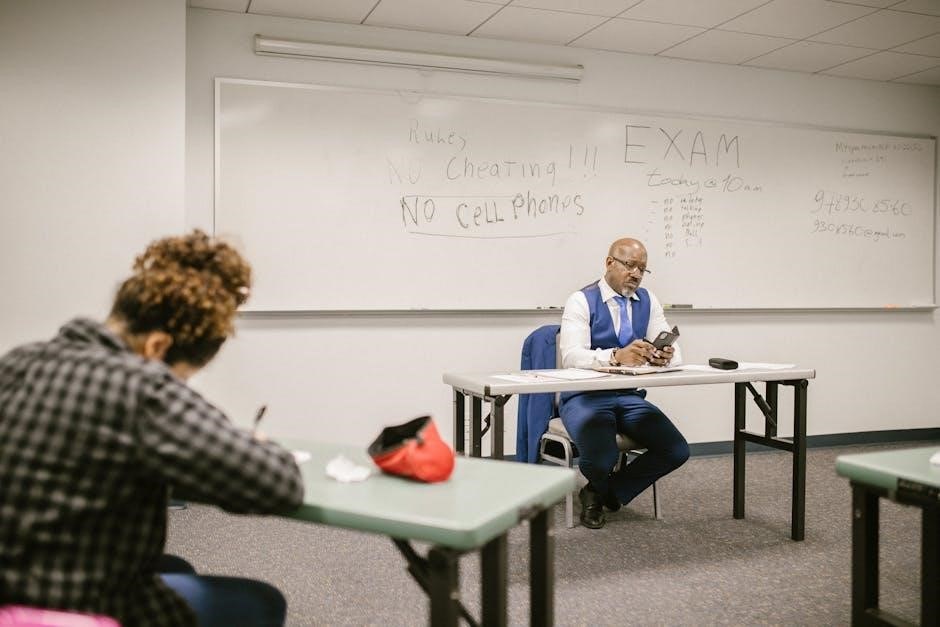
The TEAS exam is comprised of four key sections‚ each designed to assess your readiness for nursing school. These include Reading‚ Mathematics‚ Science‚ and English and Language Usage. Understanding the structure and content of each section is paramount for effective preparation. A comprehensive TEAS test study guide PDF free should dedicate significant coverage to each of these areas.
The Reading section tests comprehension and analysis skills. Mathematics assesses basic arithmetic‚ algebra‚ and data interpretation. Science covers biology‚ chemistry‚ and anatomy & physiology – areas where leveraging resources like the Hispanic Community Health Study (HCHS/SOL) data can be beneficial for contextual understanding.
Finally‚ English and Language Usage evaluates grammar‚ punctuation‚ and writing proficiency. Many free TEAS study guides offer section-specific practice questions and detailed explanations. Familiarizing yourself with the format and question types within each section‚ using a quality PDF guide‚ will significantly boost your confidence and performance.
Detailed Section Breakdown
Dive deep into each TEAS section! Explore focused strategies for Reading‚ Mathematics‚ Science (biology‚ chemistry‚ A&P)‚ and English/Language Usage. Utilize a TEAS test study guide PDF free.
Reading Section: Strategies and Practice
Mastering the TEAS Reading section requires strategic approaches and consistent practice. This section assesses your ability to comprehend‚ analyze‚ and interpret various texts. A TEAS test study guide PDF free can be invaluable‚ offering sample passages and question types mirroring the actual exam.
Focus on active reading techniques: previewing the passage‚ identifying the main idea‚ and noting key details. Practice skimming and scanning to locate specific information efficiently. Pay close attention to context clues to decipher unfamiliar vocabulary.
Common question types include inference‚ purpose‚ tone‚ and detail-oriented questions. Develop a habit of eliminating obviously incorrect answer choices. Time management is crucial; allocate a specific amount of time per passage and stick to it. Utilize available free practice questions online to build speed and accuracy. Remember‚ consistent practice with a quality TEAS test study guide PDF free is key to success.
Look for guides that offer explanations for correct and incorrect answers to maximize your learning.
Mathematics Section: Key Concepts and Formulas
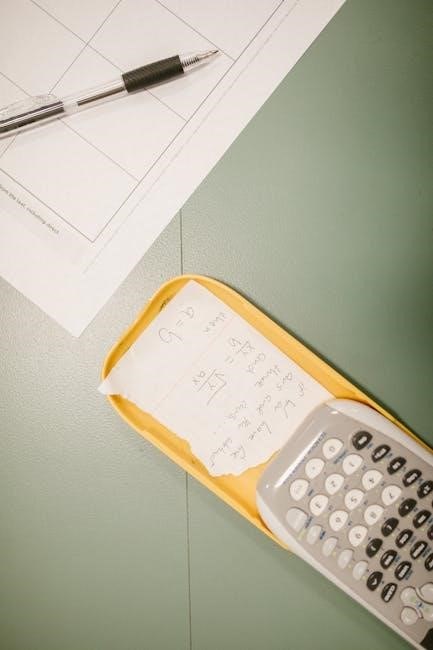
The TEAS Mathematics section tests fundamental arithmetic‚ algebra‚ and data interpretation skills. A comprehensive TEAS test study guide PDF free should cover essential concepts like ratios‚ proportions‚ percentages‚ and basic algebraic equations. Familiarize yourself with formulas for area‚ perimeter‚ volume‚ and conversions between units.
Key areas to focus on include solving for unknowns‚ interpreting graphs and charts‚ and performing calculations with fractions‚ decimals‚ and integers. Brush up on your understanding of the equation of a line – a concept often featured in practice materials.
Don’t underestimate the importance of order of operations (PEMDAS/BODMAS). Practice converting between Fahrenheit and Celsius‚ as temperature conversions frequently appear. A TEAS test study guide PDF free offering step-by-step solutions is incredibly beneficial.
Utilize online resources and practice tests to identify your weak areas and concentrate your study efforts accordingly. Mastering these core concepts will significantly boost your confidence and performance.
Science Section: Biology‚ Chemistry‚ and Anatomy & Physiology

The TEAS Science section is notoriously broad‚ encompassing biology‚ chemistry‚ anatomy & physiology‚ and scientific reasoning. A robust TEAS test study guide PDF free must address these areas comprehensively. Focus on fundamental biological principles like cell structure‚ genetics‚ and evolution. Chemistry topics include atomic structure‚ chemical bonding‚ and basic reactions.
Anatomy & Physiology requires understanding major body systems – skeletal‚ muscular‚ nervous‚ circulatory‚ respiratory‚ and digestive. Utilize resources like the Hispanic Community Health Study/Study of Latinos (HCHS/SOL) data to contextualize physiological concepts‚ particularly related to nutrition and physical activity.
Practice interpreting scientific passages and data presented in graphs and tables. A TEAS test study guide PDF free should include practice questions that mimic the exam’s format. Don’t neglect scientific method principles and experimental design.
Prioritize understanding core concepts over rote memorization. Effective study involves connecting scientific principles to real-world applications.
English and Language Usage Section: Grammar and Writing Skills
The English and Language Usage section of the TEAS assesses your command of grammar‚ punctuation‚ sentence structure‚ and reading comprehension. A quality TEAS test study guide PDF free will dedicate significant space to these areas. Master fundamental grammar rules‚ including subject-verb agreement‚ pronoun usage‚ and correct tense application.
Pay close attention to punctuation – commas‚ semicolons‚ colons‚ and apostrophes are frequently tested. Practice identifying and correcting sentence fragments‚ run-on sentences‚ and misplaced modifiers. Develop skills in analyzing passages for main ideas‚ supporting details‚ and author’s purpose.
A TEAS test study guide PDF free should offer practice exercises focusing on editing and revising passages for clarity and conciseness. Familiarize yourself with common writing conventions and rhetorical devices.
Strengthening vocabulary is also beneficial‚ as it aids in comprehension and effective communication. Consistent practice and review are key to success in this section.
Finding Free TEAS Study Resources
Locate valuable‚ no-cost TEAS prep materials! Explore online practice questions‚ downloadable PDF study guides‚ and utilize platforms like OpenAssessments. HCHS/SOL data aids science study.
Free TEAS Practice Questions Online
Numerous websites offer free TEAS practice questions‚ providing a cost-effective way to assess your readiness. These resources often mirror the format and difficulty of the actual TEAS exam‚ allowing you to familiarize yourself with the question types and time constraints. While a comprehensive bank like the “TEAS Version 6 Real Exam Questions Bank” may require purchase‚ many introductory and sample questions are freely available.
OpenAssessments stands out as a particularly valuable resource‚ offering a substantial collection of practice questions covering all four TEAS sections: Reading‚ Mathematics‚ Science‚ and English and Language Usage. Regularly utilizing these questions helps identify knowledge gaps and areas needing further study. Remember to analyze your performance on these practice tests‚ focusing on understanding why you missed certain questions‚ not just that you missed them;
Supplementing these resources with targeted practice based on your weak areas is crucial. Search for free quizzes and exercises focusing specifically on the concepts you find challenging. Consistent practice‚ combined with a solid study plan‚ significantly increases your chances of success on the TEAS exam. Don’t underestimate the power of repeated exposure to different question styles.
Free TEAS Study Guides in PDF Format
Locating free TEAS study guides in PDF format is a fantastic way to build a comprehensive study resource. Several websites offer downloadable guides covering various aspects of the exam. A “Teas Free Study Guide” spanning 24 pages is available‚ offering a substantial overview of key concepts. These PDFs often include detailed explanations‚ practice questions‚ and helpful tips for tackling each section.
However‚ be mindful of the source and quality of these free guides. Ensure the information is up-to-date‚ specifically aligned with TEAS Version 6‚ and accurate. Cross-reference information with other reliable sources to confirm its validity. Look for guides that break down complex topics into manageable chunks and provide clear‚ concise explanations.
Consider supplementing these free PDFs with notes you create yourself while studying. Actively engaging with the material by summarizing key concepts and formulas reinforces your understanding. Remember that free resources are a great starting point‚ but a personalized study plan and consistent effort are essential for achieving your desired score. Explore options and build a robust study toolkit.
Utilizing OpenAssessments for TEAS Prep
OpenAssessments presents a valuable‚ freely accessible resource for TEAS preparation‚ offering a substantial bank of practice questions. This platform allows you to familiarize yourself with the question formats and difficulty levels encountered on the actual TEAS exam. A document specifically highlights study tips and formulas relevant to OpenAssessments‚ focusing on foundational math concepts like the equation of a line and temperature conversion.
Leveraging OpenAssessments effectively requires a strategic approach. Don’t simply answer questions; analyze your mistakes. Identify areas where you consistently struggle and dedicate extra study time to those topics. Utilize the platform’s feedback mechanisms to understand the reasoning behind correct answers and pinpoint your knowledge gaps.
Combine OpenAssessments practice with other study materials‚ such as free PDF study guides‚ to create a well-rounded preparation plan. Remember that consistent practice and targeted review are key to success. Treat OpenAssessments as a simulated exam environment to build confidence and refine your test-taking strategies.
Leveraging Hispanic Community Health Study (HCHS/SOL) Data (Relevance to Science)
The Hispanic Community Health Study/Study of Latinos (HCHS/SOL) offers a unique‚ albeit indirect‚ resource for TEAS science preparation‚ particularly in the areas of biology and human anatomy & physiology; Results from this extensive study provide real-world data related to health disparities‚ nutritional habits‚ and physical activity patterns within the Hispanic/Latino population.
While not a direct TEAS study guide‚ understanding the types of data collected and analyzed in HCHS/SOL can enhance your comprehension of scientific principles. The study includes assessments like the Study of Latinos Nutrition and Physical Activity Assessment (SOLNAS)‚ offering insights into dietary factors and their impact on health outcomes.
Consider how concepts explored in HCHS/SOL – such as metabolic rates‚ cardiovascular health‚ and genetic predispositions – align with TEAS science topics. This approach moves beyond rote memorization‚ fostering a deeper understanding of the biological and physiological processes tested on the exam. Supplement your core TEAS study materials with this contextual data for a more holistic preparation.
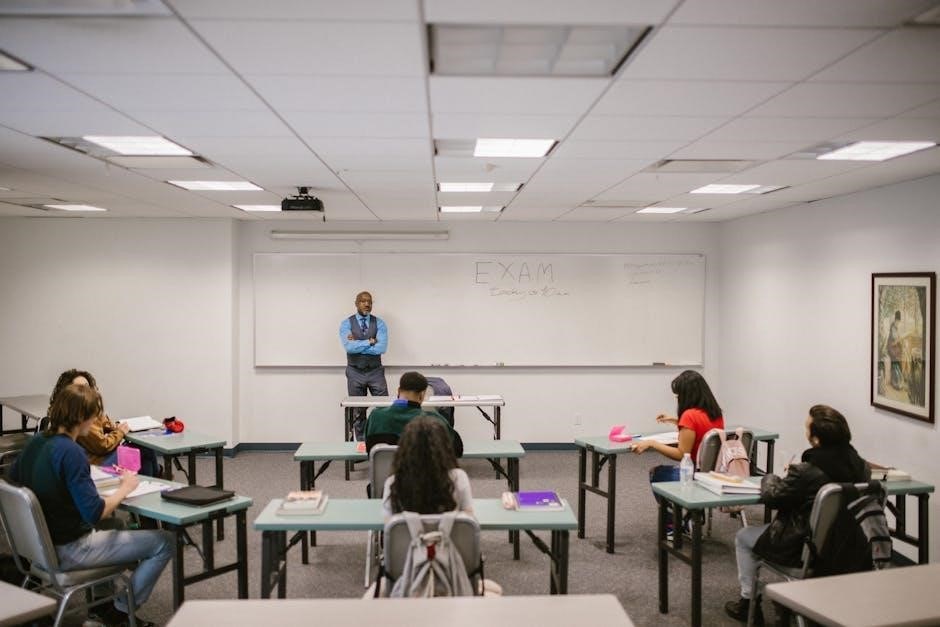
Effective Study Techniques
Maximize your TEAS prep! Employ time management‚ create a study schedule‚ and utilize flashcards. Practice tests simulating the exam environment are crucial for success and confidence.
Time Management for TEAS Preparation
Effective time management is paramount when preparing for the TEAS exam. A structured approach‚ rather than cramming‚ yields better results. Begin by realistically assessing the time you have available before your test date. Then‚ break down the content of each TEAS section – Reading‚ Mathematics‚ Science‚ and English & Language Usage – into manageable study blocks.
Allocate more time to sections where you feel less confident. Utilize a planner or digital calendar to schedule specific study sessions‚ incorporating breaks to prevent burnout. The TEAS exam is timed‚ so practice completing practice questions under timed conditions. This simulates the actual test environment and helps you build pacing skills.
Prioritize tasks; focus on high-yield topics first. Don’t get bogged down in minute details initially. Regularly review previously studied material to reinforce learning. Remember to factor in time for full-length practice tests to assess your overall progress and identify areas needing further attention. Consistent‚ focused study sessions are far more effective than sporadic‚ lengthy ones.
Creating a TEAS Study Schedule
A well-defined study schedule is crucial for TEAS success. Start by determining your test date and working backwards. Allocate sufficient time – ideally‚ 2-3 months – for comprehensive preparation. Divide your study time proportionally based on your strengths and weaknesses in each TEAS section: Reading‚ Mathematics‚ Science‚ and English & Language Usage.
Designate specific days and times for each subject; Be realistic about your commitments and avoid over scheduling. Incorporate regular breaks to maintain focus and prevent burnout. Include dedicated time for reviewing free TEAS study guides in PDF format and completing practice questions. Utilize online resources like OpenAssessments to supplement your learning.
Prioritize consistent‚ shorter study sessions over infrequent‚ marathon sessions. Schedule full-length practice tests every two weeks to monitor your progress and identify areas needing improvement. Regularly review your schedule and adjust it as needed. Flexibility is key‚ but maintain a commitment to your overall plan.
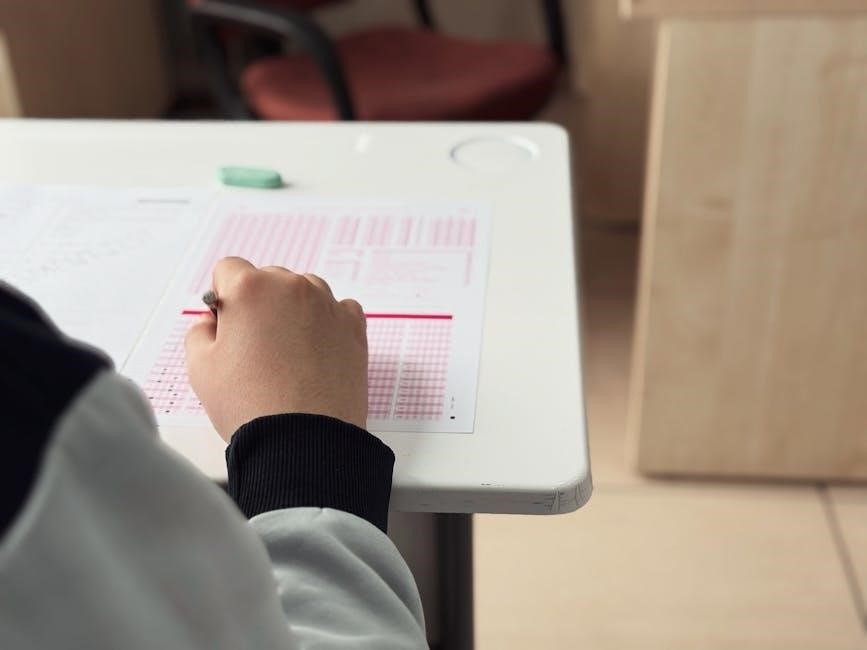
Utilizing Flashcards and Mnemonics
Boost your TEAS recall with flashcards and mnemonics! These techniques are incredibly effective for memorizing key concepts‚ formulas‚ and vocabulary. Create flashcards for challenging terms in Anatomy & Physiology‚ Chemistry‚ and Grammar. Focus on active recall – try to answer before flipping the card.
Mnemonics‚ memory aids like acronyms or rhymes‚ can simplify complex information. For example‚ devise a mnemonic to remember the order of operations in Mathematics (PEMDAS). Utilize flashcards to practice converting units‚ understanding scientific principles‚ and recognizing grammatical rules found in free TEAS study guides.
Digital flashcard apps offer portability and spaced repetition features‚ optimizing learning. Regularly review your flashcards‚ increasing the intervals between reviews as you master the material. Combine flashcards with practice questions to reinforce your understanding. Don’t underestimate the power of these simple yet effective study tools for TEAS success!
Practice Tests: Simulating the Exam Environment
Master the TEAS format with realistic practice tests! Utilizing practice tests is crucial for familiarizing yourself with the exam’s structure‚ question types‚ and time constraints. Seek out free TEAS practice tests online or within PDF study guides to assess your strengths and weaknesses.
Simulate the actual testing environment as closely as possible. Find a quiet space‚ set a timer for each section‚ and avoid distractions. Analyze your results carefully‚ identifying areas where you struggled. Review the corresponding concepts in your study materials‚ focusing on understanding why you missed certain questions.
Many free resources‚ including OpenAssessments‚ offer practice questions. ATI also provides official practice tests (often at a cost). Consistent practice builds confidence and reduces test anxiety. Remember‚ the goal isn’t just to get the right answers‚ but to improve your test-taking strategies and pacing for optimal TEAS performance.

Additional Resources & Considerations
Explore ATI materials‚ understanding scoring interpretations. Consider stress management techniques‚ like herbal teas‚ during study. Be aware of unrelated topics like USPTO TEAS trademarks.
ATI Official TEAS Study Materials (Cost vs. Benefit)
Evaluating ATI’s official TEAS study resources requires a careful consideration of cost versus potential benefit. While these materials‚ including the TEAS Review Manual and practice tests (Version 6)‚ offer comprehensive coverage aligned directly with the exam’s content‚ they come at a significant financial investment. Many students successfully prepare using free resources‚ such as those found online and in PDF format‚ alongside platforms like OpenAssessments.
The primary advantage of ATI materials lies in their authenticity; they accurately reflect the TEAS’s question style and difficulty level. However‚ the cost can be prohibitive for some. Free study guides‚ while potentially less polished‚ provide a solid foundation in core concepts. Utilizing a combination of free resources and targeted purchase of specific ATI practice tests – focusing on areas of weakness identified through initial self-assessment – can be a cost-effective strategy.
Consider your learning style and budget. If you thrive with structured‚ official materials and can afford the investment‚ ATI’s resources may be worthwhile. Otherwise‚ a diligent approach utilizing freely available materials can yield comparable results. Remember to supplement your studies with consistent practice and review.
Understanding TEAS Scoring and Interpretation
Decoding your TEAS score is crucial for interpreting your readiness for nursing school. The TEAS (Test of Essential Academic Skills) is scored out of a total of 200‚ with a minimum passing score often set by individual nursing programs – typically around 63%. Each of the four sections – Reading‚ Mathematics‚ Science‚ and English and Language Usage – contributes equally to the overall score‚ each scaled to a range of 30-60.
Understanding these scaled scores is vital. A strong performance across all sections is generally preferred‚ but some programs may prioritize specific areas. Reviewing your individual section scores allows you to pinpoint weaknesses and focus your study efforts accordingly. Free TEAS study guides and practice tests can help you gauge your performance and identify areas needing improvement.
Remember that the TEAS is just one component of your nursing school application. A competitive score‚ combined with a strong academic record and compelling personal statement‚ increases your chances of acceptance. Don’t solely rely on achieving a passing score; aim for excellence to stand out from other applicants.
Herbal Teas & Focus (Indirectly related to stress management during study)
Navigating the TEAS prep can be stressful‚ and incorporating calming rituals into your study routine is beneficial. While not directly related to TEAS content‚ herbal teas – infusions of herbs‚ flowers‚ spices‚ and dried fruit – can aid focus and reduce anxiety. These beverages offer a caffeine-free alternative to coffee‚ promoting relaxation without drowsiness.
Different herbal blends offer varying benefits. Chamomile is renowned for its calming properties‚ while peppermint can enhance alertness. Ginger can aid digestion‚ potentially alleviating discomfort from prolonged study sessions. Exploring these options can create a more conducive learning environment.
Remember‚ a healthy mind and body are essential for optimal performance. Combining focused study with mindful self-care‚ including enjoying a soothing herbal tea‚ can significantly improve your TEAS preparation experience. Utilizing free study guides alongside these wellness practices maximizes your success potential.
USPTO TEAS (Trademark Electronic Application System) ⎻ Irrelevant‚ but present in source data
Acknowledging this seemingly unrelated data point‚ the mention of the USPTO’s Trademark Electronic Application System (TEAS) highlights the complexities of information retrieval. While entirely irrelevant to the Test of Essential Academic Skills (TEAS) exam preparation‚ its presence underscores the importance of discerning pertinent study materials.
Focusing solely on resources directly supporting your TEAS goals – like free study guides in PDF format‚ practice questions‚ and OpenAssessments – is crucial. Avoid distractions from unrelated search results or data points. Efficient study requires filtering out noise and concentrating on core content areas: Reading‚ Mathematics‚ Science‚ and English/Language Usage.
Remember‚ maximizing your study time means prioritizing relevant resources. While the USPTO TEAS system is vital for trademark applications‚ it offers no value in preparing for the healthcare-focused TEAS exam. Stay focused‚ utilize available free resources‚ and achieve your desired score.